Platforming
Platforming Challenges
Stages include platforming sections that test precise movement. Read the layout before you jump and look for safe places to pause.
Platforming GuidePlatforming challenges, environmental obstacles, hidden routes and how to explore stages with care.
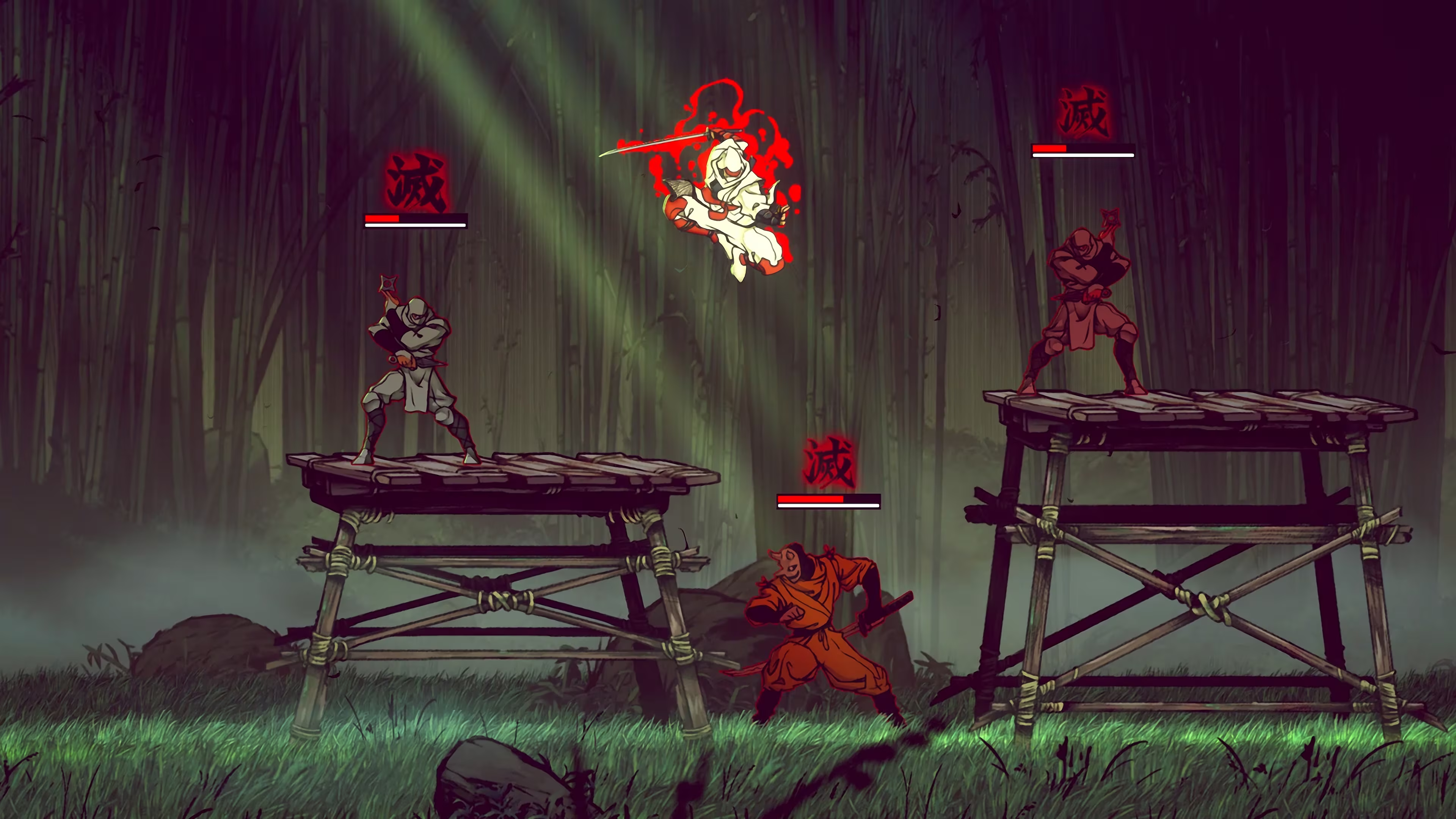
Platforming and traversal: an illustrative scene of gaps, ledges and a rope bridge. This is fan artwork, not a screenshot or a real stage from the game.
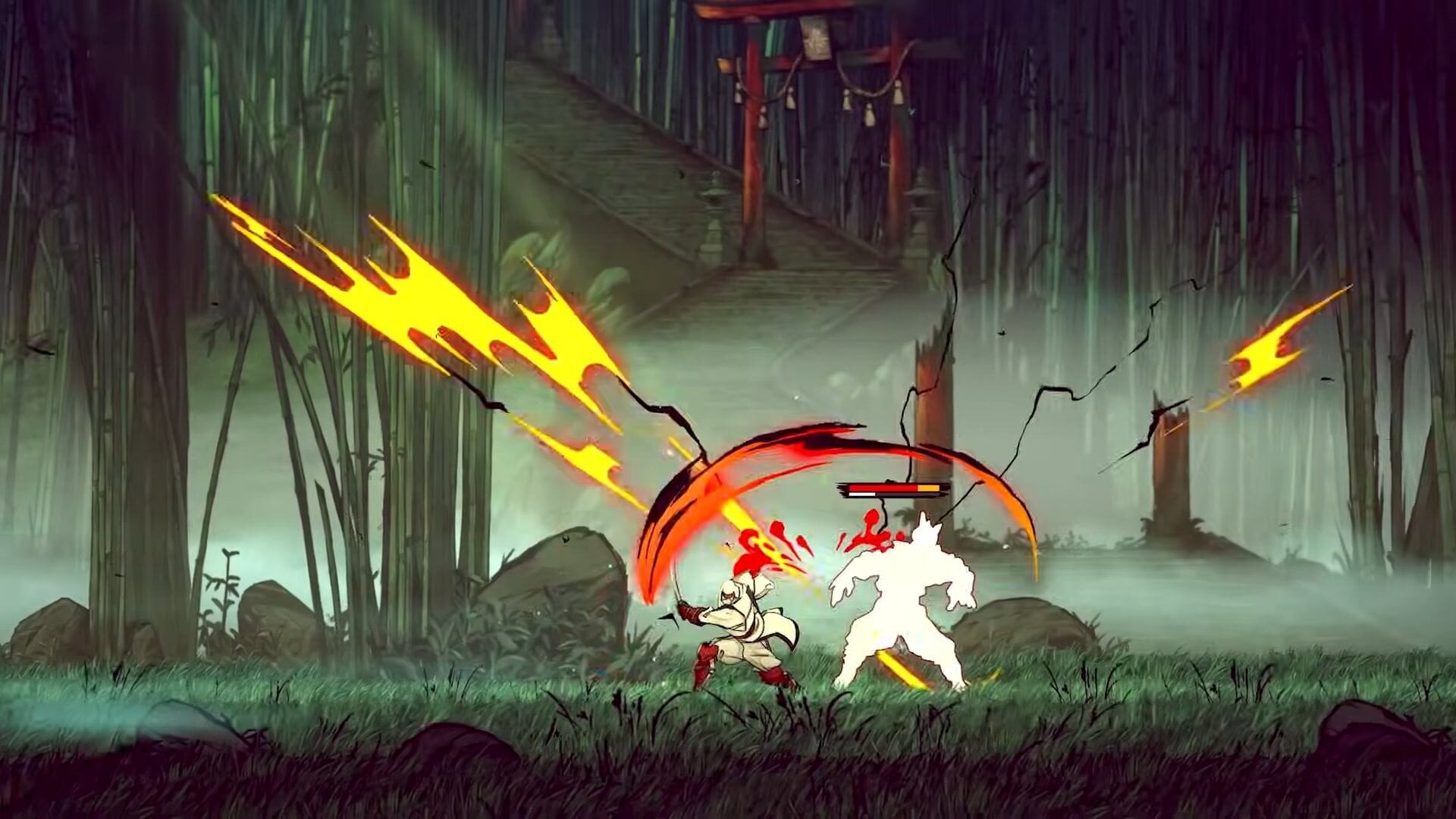
Scenic environments: a Japanese-inspired temple at dusk. The illustration reflects the site's theme and does not depict a specific level.
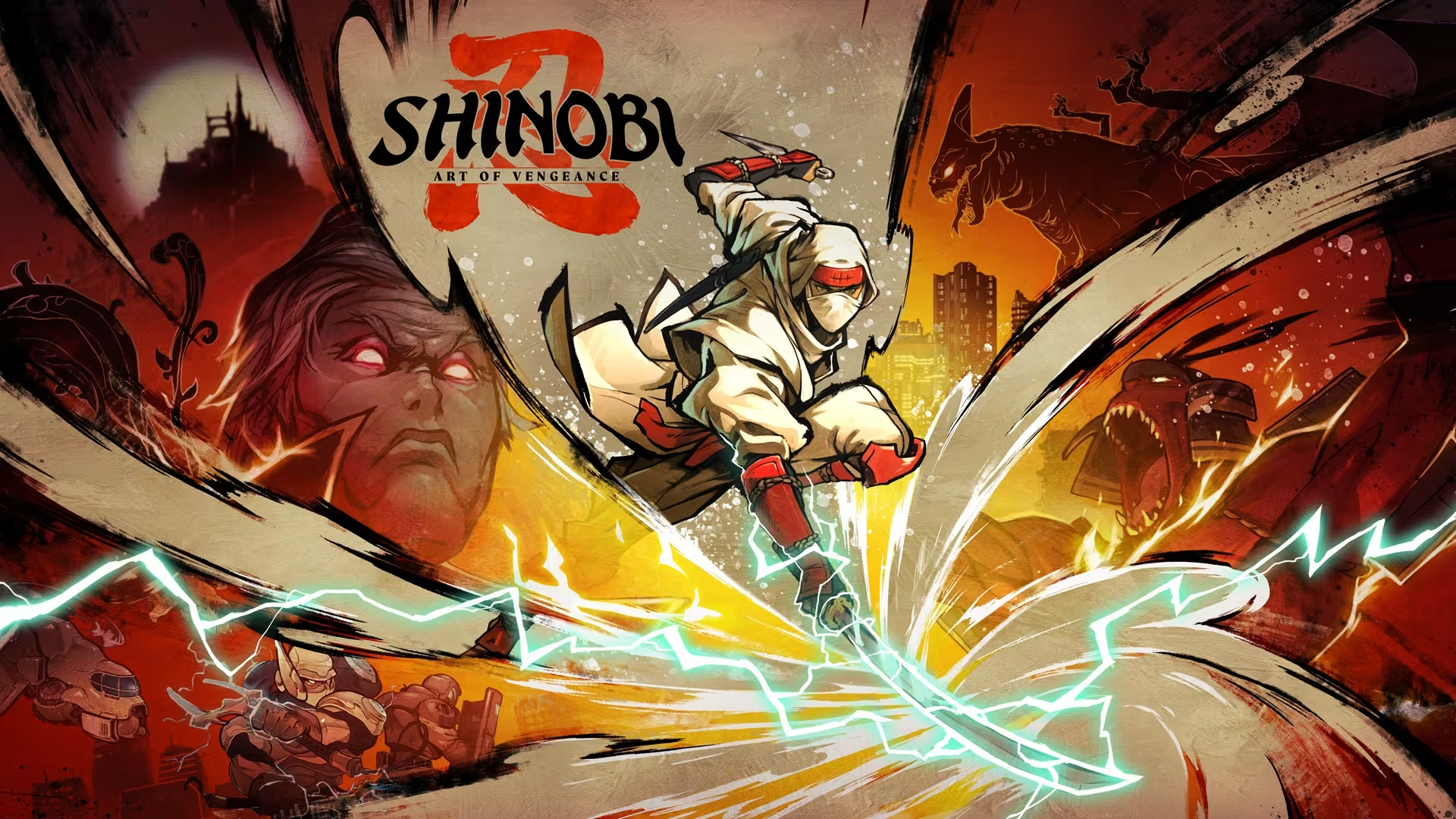
Shinobi atmosphere: a ninja silhouette on a rooftop at night. Illustrative fan artwork only.
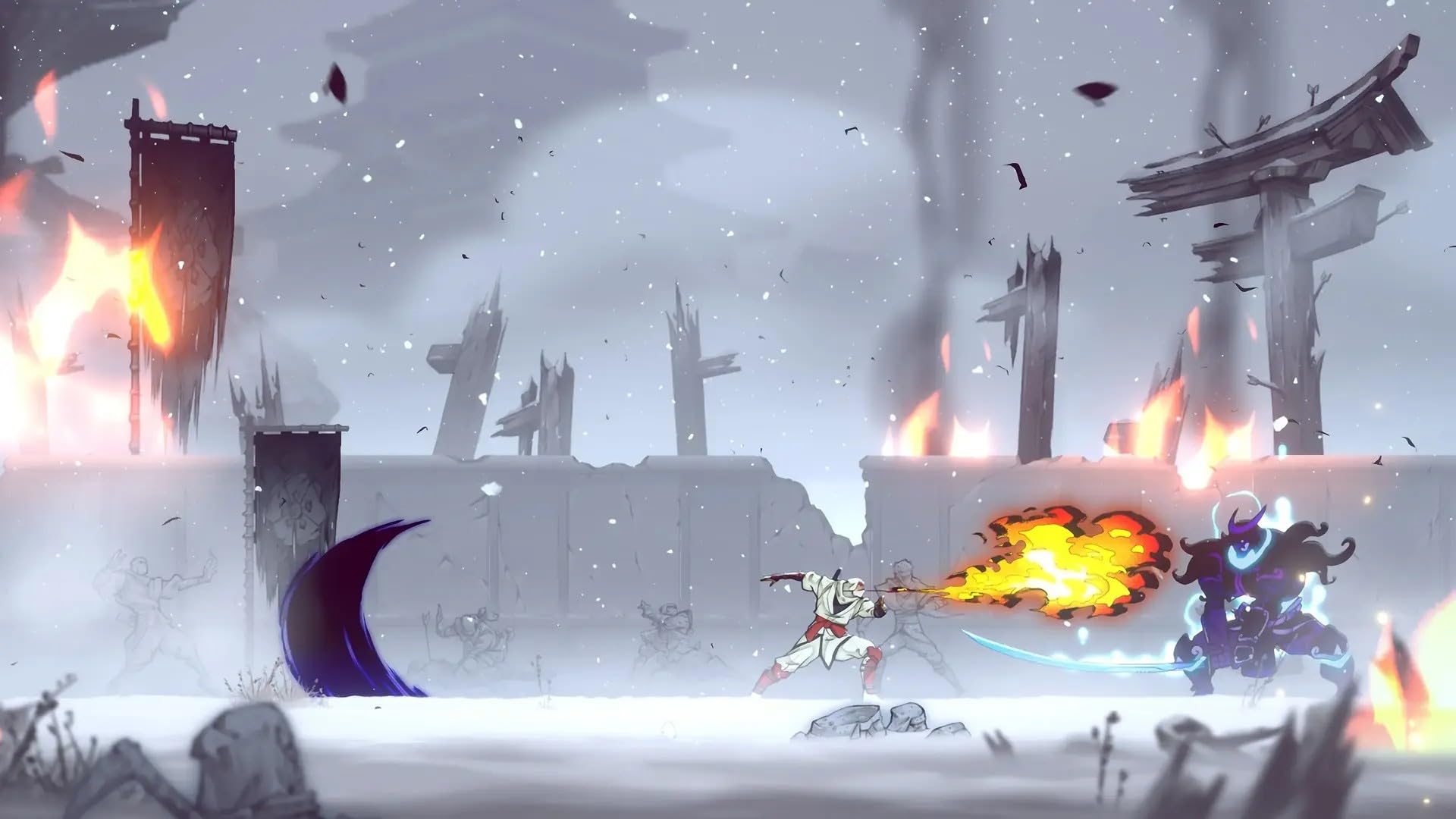
Combat encounters: an ink-brush action illustration. It is not an in-game image and does not represent a specific enemy or fight.
Platforming
Stages include platforming sections that test precise movement. Read the layout before you jump and look for safe places to pause.
Platforming GuideEnvironment
Hazards and obstacles are part of the challenge. Approach unfamiliar ones carefully, especially when enemies are nearby.
Exploration TipsExploration
The game's stages contain hidden secrets. This site does not publish their locations or rewards. Part of the fun is finding them yourself.
Exploring Levels CarefullyEnvironments
The publisher describes a varied set of visually striking stages, with settings that range from military bases to a scorching desert.
View the GalleryMovement
Confident movement makes both exploration and combat easier. Practise your jumps and positioning in calm moments.
Basic Movement GuideSHINOBI: Art of Vengeance mixes combat with platforming and exploration. Official descriptions mention challenging platforming puzzles and hidden secrets across its stages. This page gives general, fan-written advice for approaching them. It deliberately does not name levels, map out routes or reveal where secrets are, because those details are not confirmed here and would spoil discovery.
When you reach an unfamiliar platforming section, take a moment to look at it. Where are the safe spots? Is there a hazard you need to time? Is there an enemy waiting at the landing point? A few seconds of observation often save several attempts.
Obstacles in the environment are designed to test both movement and timing. If one keeps catching you out, slow down and focus on a single part of the section at a time rather than trying to rush through all of it.
Exploration is closely tied to Joe Musashi's tools. Ningi tools help him overcome obstacles and uncover new paths, so a ledge or passage that seems out of reach may simply be waiting for the right tool. Make a mental note of these places and revisit accessible areas when it makes sense to do so.
Hidden secrets reward players who explore beyond the obvious route. Check corners, unusual gaps and areas that look slightly different from their surroundings. This site will not tell you what you will find, but a curious approach is generally rewarded in games of this kind.
Enemy encounters often happen in the middle of platforming. Deal with threats before attempting a difficult jump, and use kunai to engage enemies you would rather not approach on a narrow platform. Read Combat for more on positioning and spacing.
Game content and features may vary by version. If something on this page does not match your experience, trust the game, and feel free to contact the fan site so the text can be corrected.
Use these questions whenever you enter a new area. They are general exploration habits, not hints about specific stages, and they work just as well on a second visit as on the first.
Notice any point where the stage seems to offer more than one direction. Branches are often where optional areas begin.
A ledge you cannot quite reach, or a passage you cannot yet pass, may be waiting for a Ningi tool. Remember it for later.
Areas that look slightly unusual compared with their surroundings are worth a closer look. Curiosity is often rewarded.
Clear nearby enemies before you investigate. Exploring while being attacked makes every jump harder than it needs to be.
Before dropping into an unknown area, think about whether you can return. Knowing your way back makes exploration less stressful.
If you have searched an area thoroughly and found nothing new, continue. You can always come back later with new tools.
Traversal is the art of getting from one place to another safely and efficiently. In a 2D action platformer, it is just as important as combat. The habits below are fan suggestions drawn from general platforming experience. They are written for this game's mix of fighting and exploration, but they do not describe specific stages or obstacles.
Many platforming sections have a natural rhythm: run, jump, land, pause, jump again. Trying to rush through without that rhythm usually leads to mistakes. When a section feels difficult, slow down and look for the points where it is safe to stop and think.
It is tempting to watch your character closely, but successful platforming usually depends on looking at where you are going. Glance ahead to see the next platform, hazard or enemy before you commit to a jump. This gives you more time to react.
Environmental obstacles are designed to be learned. Rather than seeing them as unfair, treat each one as a small puzzle with a solution. Observe how it behaves, look for a safe window and then move with confidence once you understand it.
Long sections often include places where you are relatively safe. Use them to catch your breath, look around and plan the next part. Breaking a long challenge into short pieces makes it far more manageable.
Falls and retries are a normal part of platforming. After a mistake, take a moment to think about why it happened: was the jump too early, too late or simply aimed at the wrong place? Adjusting one detail at a time is the quickest way to improve.
Enemies can appear in the middle of platforming sections. Before a difficult jump, check whether anything is waiting at the landing point. If so, consider dealing with it first, perhaps with Kunai from a safe position, so you can focus on the jump without distraction.
Some guide websites publish complete maps, exact secret locations and full lists of rewards. This fan site deliberately does not. There are two reasons. First, those details have not been confirmed here, and publishing guesses would mislead players. Second, discovering a hidden path yourself is one of the most satisfying parts of exploring a game like this. A list of answers removes that experience.
Instead, the advice on this page focuses on habits: how to look, when to explore, how to recognise places worth revisiting and how to stay safe while you investigate. These habits keep working no matter which stage you are in, and they help you enjoy the game on your own terms.
The publisher's description mentions a varied set of visually striking stages, with settings ranging from military bases to a scorching desert. This site does not name individual levels or describe their layouts. The gallery above uses original illustrative artwork to reflect the site's ninja theme; it is not a set of screenshots and does not depict real stages.
If you prefer step-by-step solutions, official sources and the wider player community may offer them. Please be careful with any website that asks you to download files, install unofficial software or enter account details in exchange for maps, saves or unlocks. This fan site will never ask for that.
For more exploration advice, read Exploring Levels Carefully, Approaching Platforming Obstacles and When You Feel Stuck.