Weapons
Katana Combat
Joe Musashi's main weapon is the great Katana Oborozuki. Close-range sword attacks are the foundation of most fights, so it pays to learn how far your strikes reach and how enemies react to them.
Katana, kunai, combos, the ninja arts and how to approach enemy encounters in SHINOBI: Art of Vengeance.
Weapons
Joe Musashi's main weapon is the great Katana Oborozuki. Close-range sword attacks are the foundation of most fights, so it pays to learn how far your strikes reach and how enemies react to them.
Weapons
Kunai give you an option at a distance. Use them to engage an enemy before closing in, or when stepping forward would put you somewhere unsafe.
Combat
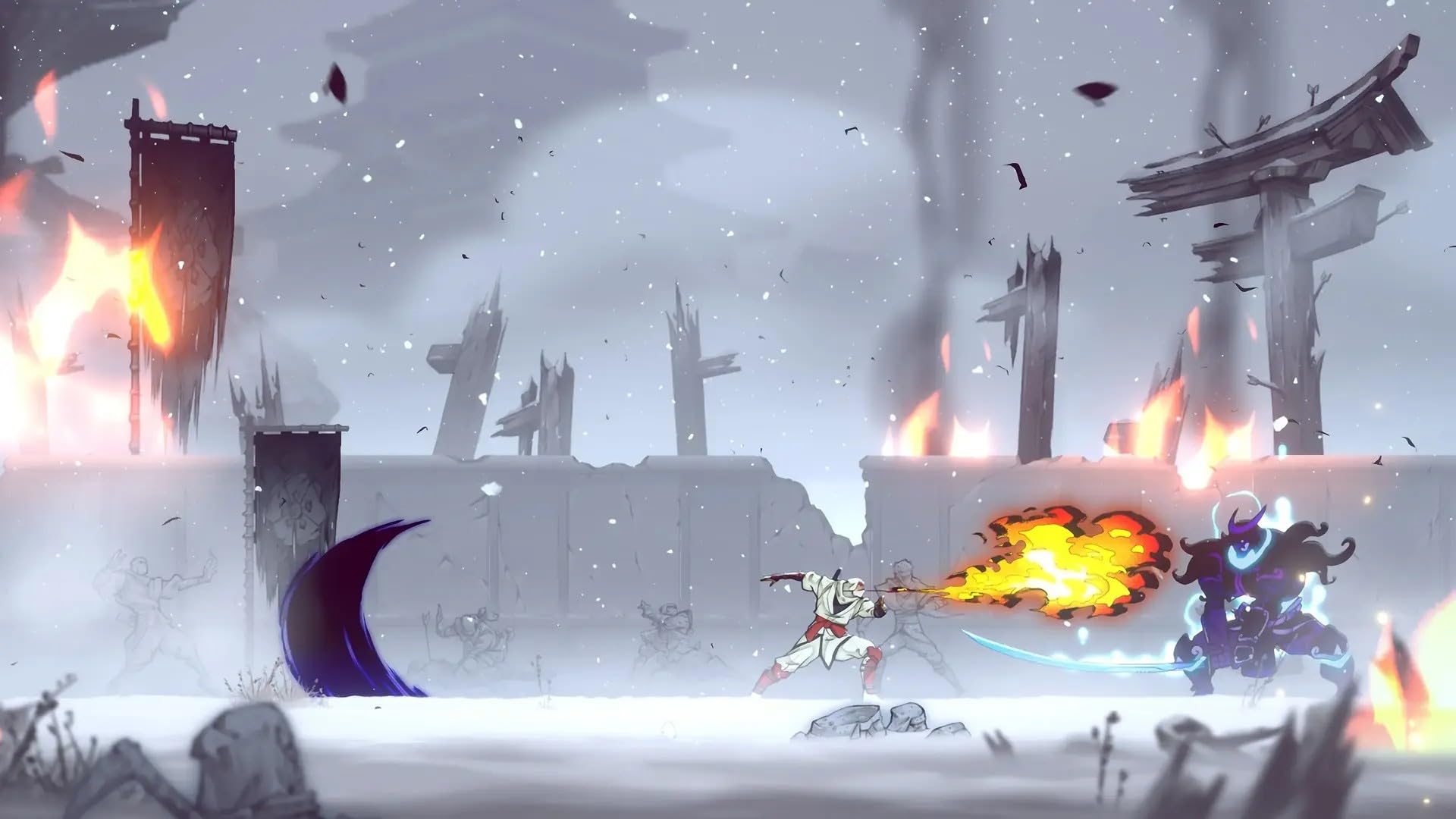
The game is built around stringing attacks together into combos. Start with short sequences you can repeat reliably, then extend them once they feel natural.
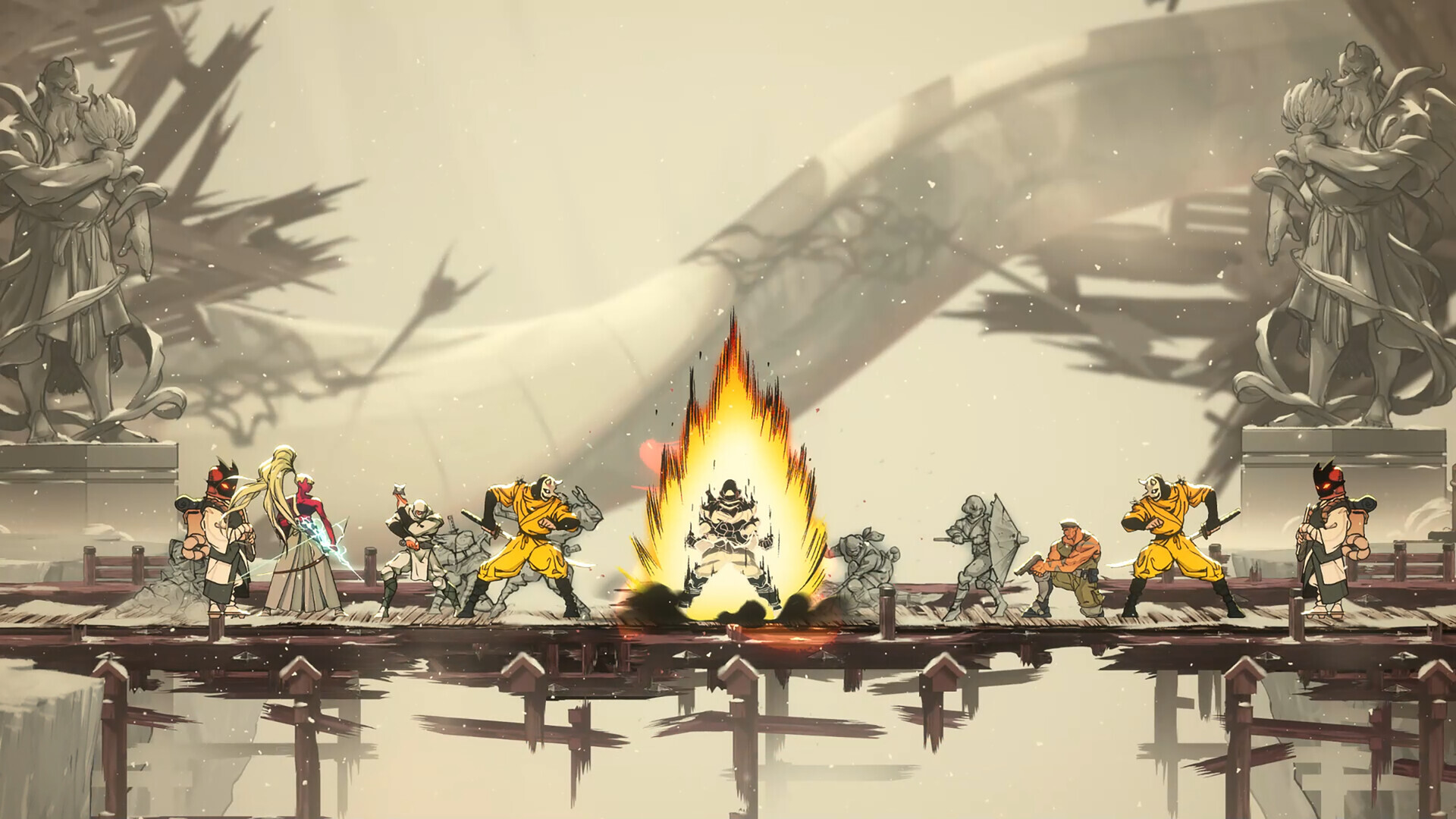
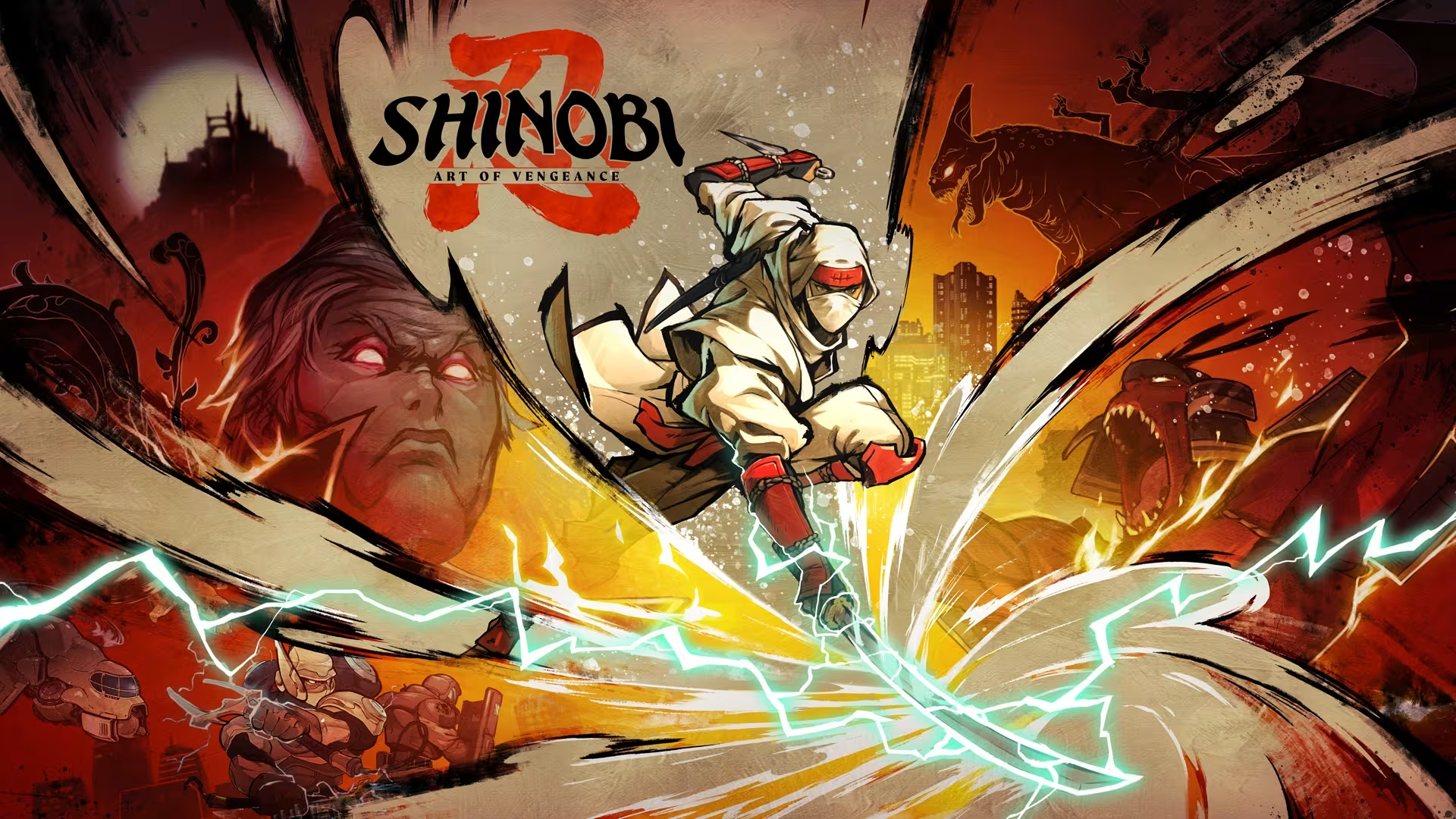
Images are illustrative fan artwork, not game screenshots.
Ninjutsu arts are part of Joe Musashi's arsenal alongside his weapons. Try them in different situations to learn where they help most. This site does not list individual techniques until they can be confirmed.
Ninpo is another branch of the ninja arts available in combat. Think of it as one more tool to bring into a fight, rather than a replacement for solid basic play.
Good timing means attacking when an enemy is open and holding back when it is not. Practise watching first and pressing buttons second. This page does not give frame data or exact timings.
Stages mix platforming with fights against a variety of foes. Deal with the most immediate threat first, and avoid letting several enemies surround you at once.
Movement is a defensive tool. Repositioning, creating space and stepping out of an attack's path are just as important as dealing damage.
Enemies tend to repeat recognisable behaviour. Spend a few moments watching how an opponent moves and attacks before committing, especially when you meet it for the first time.
Before a demanding fight, make sure you are comfortable with your core moves and the ninja arts you have. This site does not publish boss names, phases or strategies, because those details have not been confirmed here.
Combat in SHINOBI: Art of Vengeance combines close-range swordplay, ranged kunai, ninja arts and constant movement. The notes below are written by fans to help you think about fights. They describe general approaches, not exact numbers, and they do not promise that any approach will win a particular encounter.
The Katana Oborozuki is the weapon you will use most. In the early stages of the game, focus on learning its reach: how close you need to be, and how much room you have after a strike. Fights feel very different once you can judge distance without thinking about it.
Avoid swinging constantly. Attacking into an enemy that is about to strike often trades your health for theirs. A short pause to see what the enemy is doing is usually worth it.
Kunai let you start a fight on your terms. They are useful when an enemy is in a position you would rather not walk into, or when you want to soften a threat before stepping in with the sword. Treat them as part of a plan, not as something to fire at random.
Combos are central to the game. Rather than chasing long sequences straight away, find a short chain you can perform every time. Consistency beats ambition: a reliable three-hit sequence is more useful than a long one that only works occasionally. When that feels comfortable, add one more element and practise again.
The ninja arts give you options that plain strikes do not. Experiment with them in ordinary encounters, where mistakes are cheap, so you know how they behave when a fight gets serious. This site intentionally avoids naming individual techniques or describing their effects unless the details can be confirmed.
Every encounter has a rhythm. Some enemies rush in, some keep their distance, and some wait for you to act. Watching that rhythm tells you when to attack and when to move. In larger groups, keep track of where everyone is, and try not to let enemies attack you from both sides.
Boss battles and difficult sections reward preparation. Before you start one, check that you are comfortable with movement, basic combos and the ninja arts you have. During the fight, focus on survival first: learning how an opponent attacks is more valuable than dealing damage quickly. If you lose, think about what caught you out and change one thing on the next attempt.
For the tools behind these techniques, read Ninja Arts. For practice routines and beginner advice, open the combat guides and the tips section. Questions about the game or this site are answered in the FAQ.
Every action game has recurring situations that trip players up. The notes below describe general ways to think about them. They are not tied to specific enemies, stages or bosses, and they do not promise that a particular approach will always work.
Limited footing makes every mistake more costly. When possible, deal with threats before you step onto narrow ground, or use Kunai to engage from a safer spot. If you must fight on a ledge, keep your actions short and controlled so you do not carry yourself over the edge.
Groups are dangerous mainly because they can attack from more than one direction. Try to position yourself so that most enemies are on one side of you. Thin the group one opponent at a time instead of spreading your attacks across everyone.
Some opponents prefer to stay away from you. Rather than chasing blindly, consider whether a ranged option or a change of position gives you a safer way in. Approaching in stages, with pauses to watch, is usually better than a single long dash.
The first encounter with an unfamiliar opponent is the time to observe, not to show off. Hold back for a moment, watch what it does and look for an opening. Information gathered in the first few seconds often decides the rest of the fight.
When you are close to failing, the temptation is to finish the fight quickly. Often the better choice is to slow down, create space and only attack when you are confident it is safe. Patience is a defensive skill too.
After taking a hit, players often panic and attack immediately. Instead, take a moment to reposition and reassess. A single calm step back is frequently what turns a bad moment into a manageable one.
Improvement in action games rarely comes from playing longer. It usually comes from playing with a clear focus. The routine below is a fan suggestion for structuring practice. It works best when you apply it to ordinary encounters early in a session, before you attempt anything difficult.
Spend a couple of minutes moving, jumping and changing direction in a safe area. This reminds your hands of the rhythm of the game before you start fighting. Players often underestimate how much a short warm-up improves their accuracy.
Choose a single thing to focus on, such as judging katana range, using Kunai to open a fight, or completing a short combo reliably. Ignore everything else for a while. Narrow focus makes it much easier to notice what is going right and what is going wrong.
Use the skill against the enemies you meet as you play. Count how often it works and how often it fails, at least roughly. You do not need to be precise; the point is to notice patterns in your own play.
If something keeps failing, change one detail and try again. Perhaps you are starting attacks too early, standing too close or forgetting to watch the enemy first. Changing one thing at a time tells you which change actually helped.
Once the skill feels natural, bring in Ninjutsu or Ninpo where they seem useful. Combining a reliable basic skill with a well-timed ninja art is often where combat starts to feel smooth and expressive.
Repeat the routine with a different skill in your next session. Over time, these small, focused improvements add up to much more consistent play. For more structured advice, see Improving Combat Consistency and Practice Plans.
The idea of ninja discipline fits the way combat works in many action games. Calm observation, precise movement and decisive action tend to beat frantic button pressing. You do not need to take this too seriously, but it is a useful way to think about improving.
A ninja studies the situation before striking. In practical terms, that means watching an enemy for a moment, noting where obstacles and hazards are, and deciding how you want to begin. Many fights are effectively won or lost in those first moments of observation.
Every movement should have a purpose: to close distance, to create space, to avoid an attack or to reach a better position. Aimless movement uses time and attention that could be spent reading the fight. When you notice yourself moving without a plan, pause and reassess.
Attacking constantly is rarely the most effective approach. Waiting for a genuine opening and then committing to a confident combo is usually better than many hesitant strikes. Learning to recognise those openings is one of the most valuable skills in the game.
Failing a fight is information, not a verdict. After a defeat, ask yourself one simple question: what caught me out? The answer might be an attack you did not see coming, a position that left you trapped, or a moment of impatience. Fix that one thing and try again. This approach turns frustration into progress and keeps the game enjoyable.
Game content and features may vary by version, and players have different preferences and abilities. If advice on this page does not suit you, adapt it. The goal of this fan site is to help you enjoy the game, not to prescribe one correct way to play.