Beginner Tips
Getting Started with SHINOBI: Art of Vengeance
What to focus on in your first sessions: movement, basic attacks and a calm approach to new areas.
View GuideOriginal, fan-written guides for SHINOBI: Art of Vengeance, from first steps to more consistent combat.
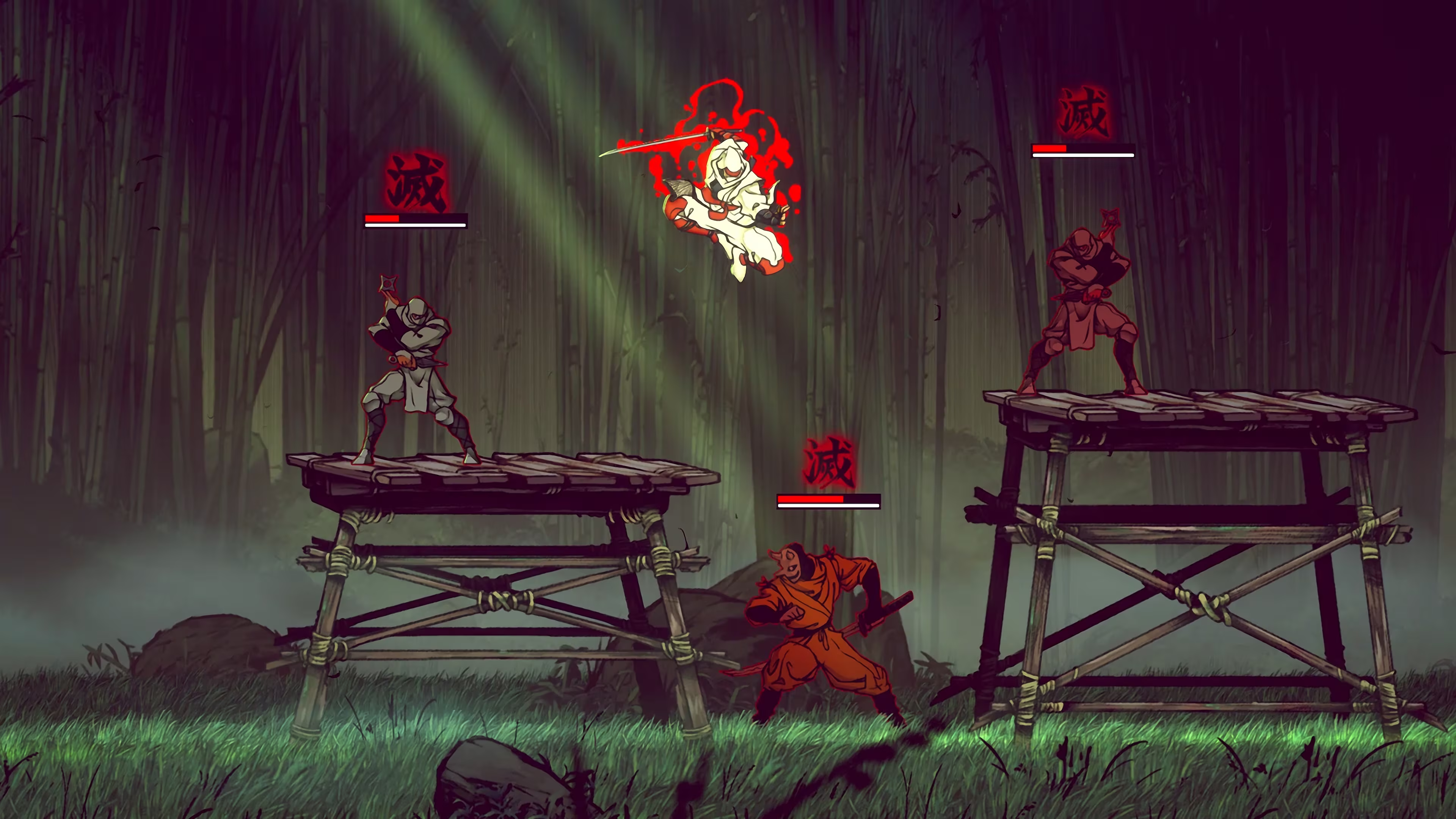
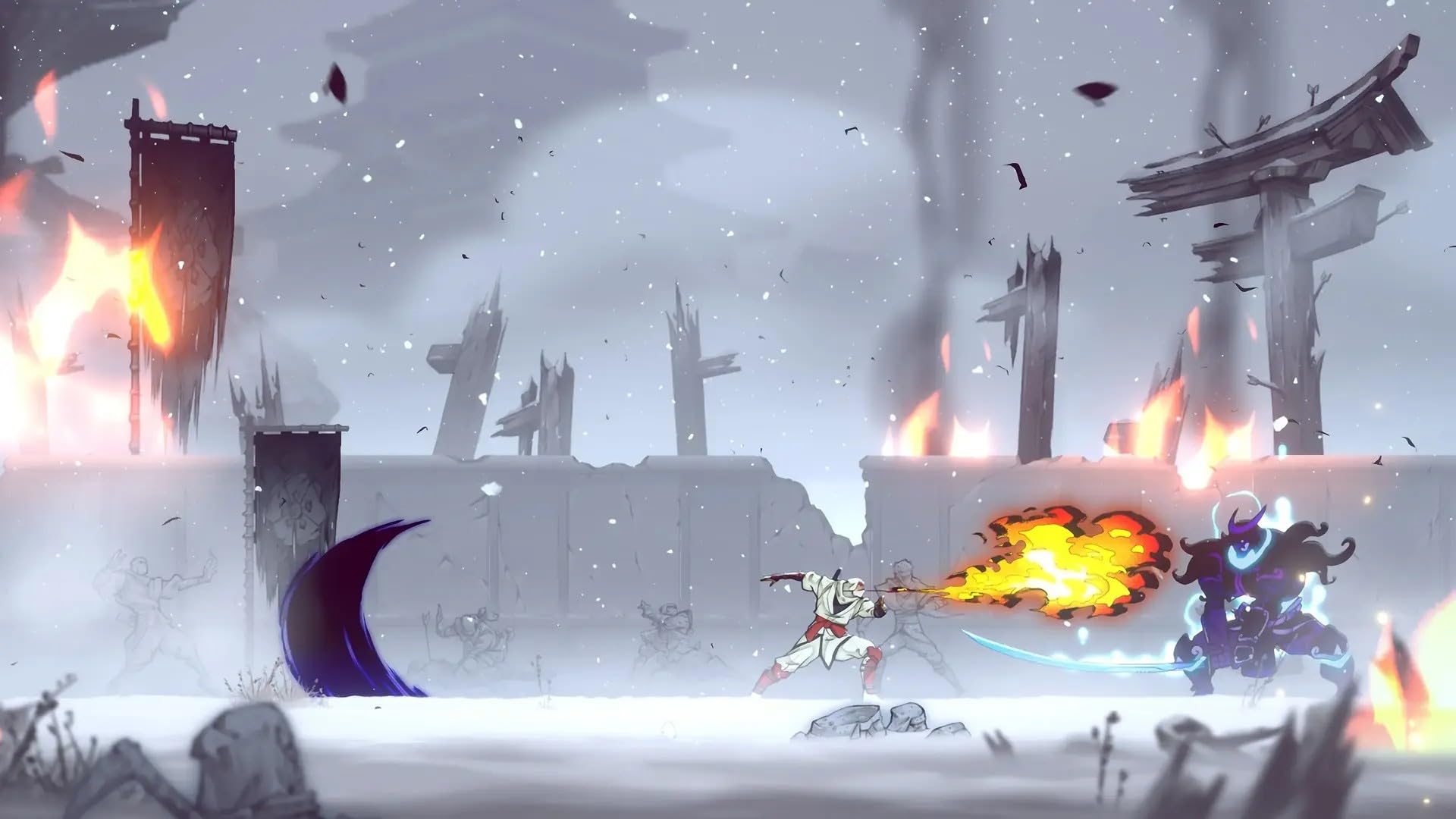
Use the library below to find a guide. Search by keyword, filter by category, or change the order. Each guide describes general approaches and practice habits. None of them promise a guaranteed win, reward or unlock, and none rely on invented numbers or secret locations.
Beginner Tips
What to focus on in your first sessions: movement, basic attacks and a calm approach to new areas.
View GuidePlatforming
Why clean movement is the foundation for both exploration and combat, and how to practise it.
View GuideCombat
A plain-language overview of how weapons, combos and the ninja arts work together in a fight.
View GuideWeapons
How the Katana Oborozuki and Kunai complement each other at close and long range.
View GuideCombat
Build reliable combos step by step instead of chasing long sequences you cannot repeat.
View GuideNinja Arts
How to think about the ninja arts as situational options and how to experiment with them safely.
View GuideLevel Exploration
Habits that help you notice hidden paths and secrets without rushing past them.
View GuidePlatforming
Read a tricky section before committing, and break it into smaller parts you can learn.
View GuideCombat
Watch first, then act: how observation turns difficult encounters into manageable ones.
View GuideBeginner Tips
Common habits that make the early game harder than it needs to be, and what to do instead.
View GuideAbilities
How Amulets and Ningi tools connect Joe Musashi's abilities to the way you explore stages.
View GuideCombat
Practice habits that make your play steadier from one attempt to the next.
View GuideBeginner Tips
Short, practical tips you can apply in your next session.
Read TipsStory
The spoiler-free story setup: who Joe Musashi is and why his journey is a quest for vengeance.
Learn MoreGame Information
Who made the game, what kind of game it is and where to find it on Google Play.
Learn MoreBeginner Tips
Three simple plans for structuring practice: a first hour, short daily sessions and preparing for a tough challenge.
View GuideGuides
What to try when a fight, a jump or an area keeps stopping your progress.
View GuideNo guides match your search. Try a different keyword or choose “All”.
Every guide is original text written for this independent fan site. It is not official material from SEGA or Lizardcube.
Guides describe approaches and habits. They avoid button inputs, damage values and exact timings, because those details are not confirmed here.
Guides avoid story spoilers, boss names and secret locations. If a future guide needs to touch on them, it will carry a clear spoiler label.
Game content and features may vary by version. If something here does not match your game, trust the game and let the fan site know.
SHINOBI: Art of Vengeance is a 2D action platformer, so your first sessions are about two things at once: moving through stages and fighting the enemies in them. Do not try to master everything immediately. Focus first on moving confidently, then on simple attacks, and treat the ninja arts as something to explore gradually.
Take your time in the early stages. They are a good place to learn how Joe Musashi moves, how enemies behave, and how the stages are put together. Rushing tends to hide the details that make later sections easier.
Movement is the skill you use most, whether you are fighting or exploring. Spend time simply running and jumping through a calm area until your landings feel predictable. Notice how much control you have in the air and how quickly you can change direction.
Good movement is also good defence. Being able to step out of danger or reposition quickly is often more valuable than an extra attack.
Combat combines the Katana Oborozuki for close-range attacks, Kunai for range, combos built from linked attacks, and the ninja arts, Ninjutsu and Ninpo. In practice, most fights start with the katana and grow from there. Learn one layer at a time and you will find the others easier to add. For a fuller overview, read the Combat page.
The katana is your main tool: learn its reach so you know how close you need to be. Kunai fill the gap when getting close is risky or inconvenient. A useful habit is to ask, before each encounter, whether you want to start it at range or up close. That simple decision often shapes how the rest of the fight goes.
Combos are a central part of the game. Start with a short sequence you can perform every time, then add one element at a time. Practise against ordinary enemies rather than in difficult fights, and pay attention to where you end up after a combo, because finishing in a dangerous position can undo the benefit.
Ninjutsu and Ninpo give you options beyond weapon strikes. Treat them as situational tools. Experiment in low-risk encounters to learn how they behave, then bring them into tougher fights when you feel confident. This site does not list individual techniques or their effects until those details can be confirmed. See Ninja Arts for the bigger picture.
The game's stages include hidden secrets. Exploring carefully means checking unusual gaps, corners and paths that branch away from the obvious route. Make a note of places you cannot reach yet, as new tools may open them later. This site does not reveal secret locations, so the discoveries remain yours.
When a platforming section looks difficult, stop and look at it. Identify safe spots, hazards and any enemies nearby. Then break the section into smaller pieces and learn them one at a time. If a jump keeps failing, change one thing, such as your starting position or when you jump, rather than repeating exactly the same attempt.
Enemies usually behave in recognisable ways. The first time you meet a new opponent, spend a moment watching it rather than attacking straight away. Once you know what it does, you can choose when to strike and when to move. The same approach applies to boss encounters: survive first, learn second, and attack when you understand the openings.
Common early mistakes include attacking constantly without watching the enemy, rushing into groups, ignoring ranged options, and skipping side paths entirely. Another is trying to learn everything at once. Pick one thing to improve each session, whether that is movement, a combo or a ninja art.
Amulets enhance Joe Musashi's abilities, and Ningi tools help him overcome obstacles and uncover new paths. Together, they link your character's growth to the way you explore. Try different Amulets to see what suits your style, and when you obtain a new Ningi tool, think back to obstacles that previously blocked you. Specific items and effects are not listed here until confirmed.
Consistency comes from repeating what works. Use a small set of reliable actions, notice which mistakes cost you most, and fix them one at a time. Short practice sessions with a clear goal usually help more than long sessions of repeated attempts with no change in approach.
These tips are general habits suggested by fans. They are not official advice and they do not guarantee a particular outcome.
Practising with a plan helps you improve faster and keeps the game enjoyable. The three plans below are fan suggestions for different situations. Adapt them freely: the right amount of practice depends on your time, your goals and what you find fun. None of them promise a particular result.
Spend the first few minutes moving without fighting: run, jump, land and change direction until it feels predictable. Then meet early enemies one at a time and watch how they behave before attacking. Try both katana strikes and Kunai so you know what each feels like. If a new ability or tool becomes available, test it straight away in a safe situation. Finally, look around each area before moving on and note anything that seems out of reach. By the end of the hour, the aim is not to have gone far, but to feel comfortable with Joe's basic movement and attacks.
If you play in short bursts, give each session a single focus. One day might be about judging katana range, another about opening fights with Kunai, another about completing a short combo reliably, and another about exploring an area more thoroughly. Begin each session with a two-minute movement warm-up, then apply your focus during normal play. At the end, think briefly about what worked. Small, focused sessions tend to build skill more steadily than long, unfocused ones.
When a difficult fight or section is ahead, prepare deliberately. First, make sure you are comfortable with movement and your most reliable combo. Second, refresh your memory of the ninja arts and tools you have, so you do not forget useful options under pressure. Third, during your first attempts, concentrate on survival and observation rather than damage. Learn how the challenge behaves before trying to finish it quickly. After each failure, change one thing about your approach. If frustration builds, take a short break and return with fresh eyes.
Progress in action games is not always visible. A useful sign is that situations which once felt chaotic start to feel readable. You might notice that you react to an enemy's behaviour instead of being surprised by it, or that you land a tricky jump without thinking. Celebrate those moments; they show that practice is working even when a particular challenge is still unsolved.
Every player hits a wall sometimes. These suggestions cover the most common kinds of being stuck. They are general approaches and do not reveal solutions to specific stages, puzzles or fights.
Stop trying to win and start trying to learn. Spend an attempt simply avoiding damage and watching how your opponent behaves. Then identify one safe opening and focus on using it. Consider whether a different tool, such as Kunai or a ninja art, would help you start the fight more safely.
Break the section into its smallest parts and practise the hardest one. Check whether you are starting the jump from the same place each time. Small changes in position or timing often make a big difference. Make sure no enemy is interfering with your landing.
Revisit branches you passed, look for areas that seem slightly different, and think about obstacles that blocked you earlier. If you have recently found a new Ningi tool, it may open a path you could not use before.
Frustration makes precise play harder. A short break, even a few minutes, often helps more than further attempts. When you return, pick one specific thing to change and give yourself permission to fail a few more times while you learn.
Under pressure, players often fall back on one familiar action. Before a hard section, remind yourself of every tool you have. Sometimes the solution is simply an option you stopped using.
Official sources and the wider player community can be helpful. Avoid any website that asks you to download files, install unofficial software or share account details in exchange for help. This fan site never asks for that.
One of the most effective ways to improve is to think briefly about how you played after each session. This does not need to be complicated or time-consuming. A minute of honest reflection can show you exactly what to work on next time.
Ask yourself what went well, what caught you out most often, and what you want to try next time. Write the answers down if that helps you remember. Over several sessions, these short notes reveal patterns that are hard to notice in the moment, such as a habit of attacking too early or forgetting to use ranged options.
Improvement is not only about fixing mistakes. Recognising what you already do well, perhaps reliable movement or a confident short combo, helps you build on it. Strong fundamentals make every new skill easier to add.
The purpose of practice is to make the game more enjoyable, not to turn it into work. If reviewing your play starts to feel like a chore, simplify it or skip it for a while. Enjoyment and curiosity are the best long-term motivators.
As with every guide on this site, these suggestions are general fan advice. Game content and features may vary by version, and the best approach is the one that helps you enjoy the game.