Combat
Ninja Combat
Explore combat techniques and fan-created tips: katana strikes, kunai, combos, timing and how to read an encounter.
Learn About Combat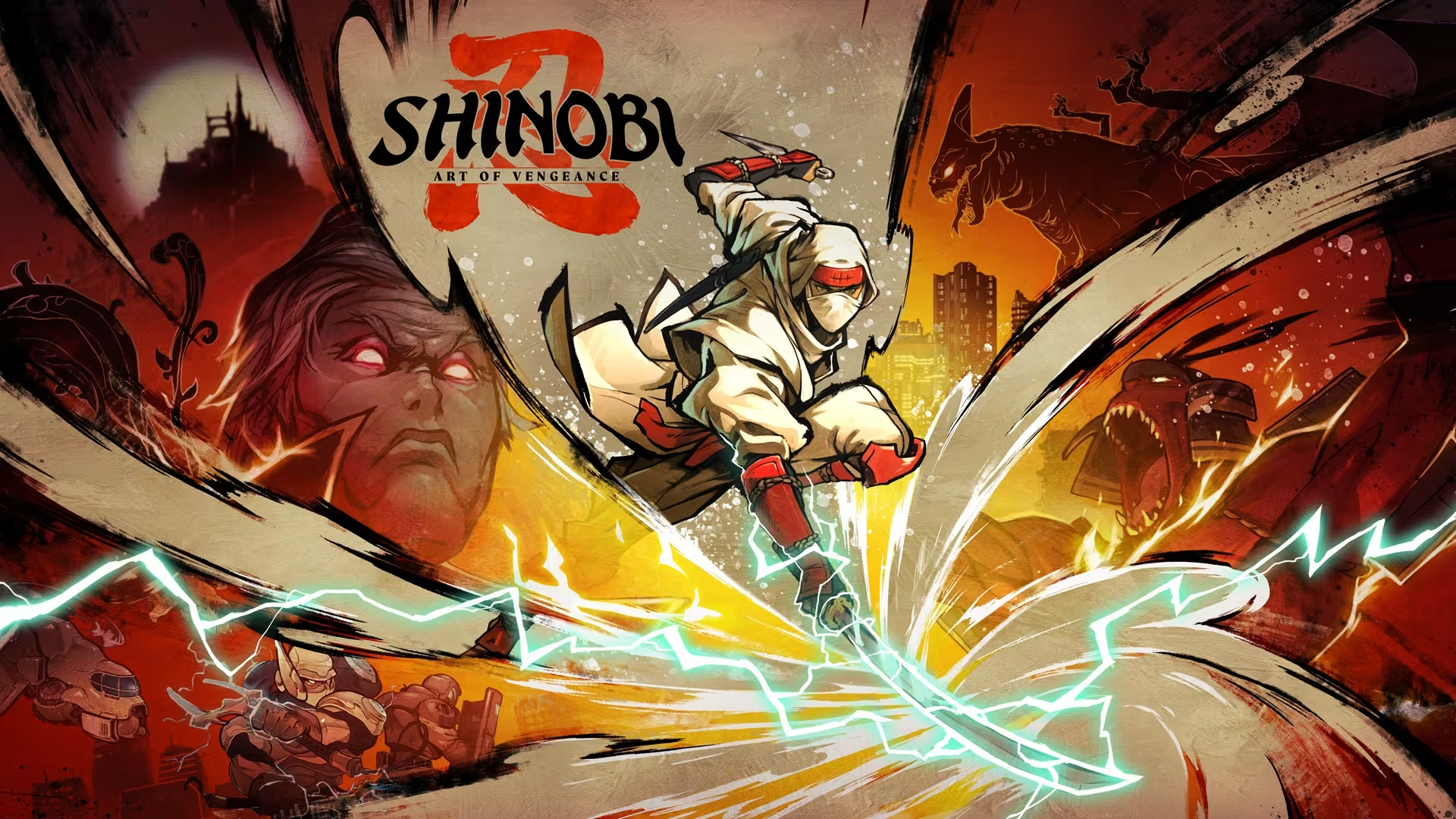
Explore ninja combat level exploration fan guides
Discover gameplay information, ninja combat tips, level exploration and fan-created guides dedicated to SHINOBI: Art of Vengeance.
Independent fan site. Not affiliated with or endorsed by SEGA, Lizardcube, or Google.
SHINOBI: Art of Vengeance is a 2D action platformer starring Joe Musashi, the ninja hero of the long-running SHINOBI series. The game was developed by Lizardcube and published by SEGA, and it is presented in a hand-drawn visual style.
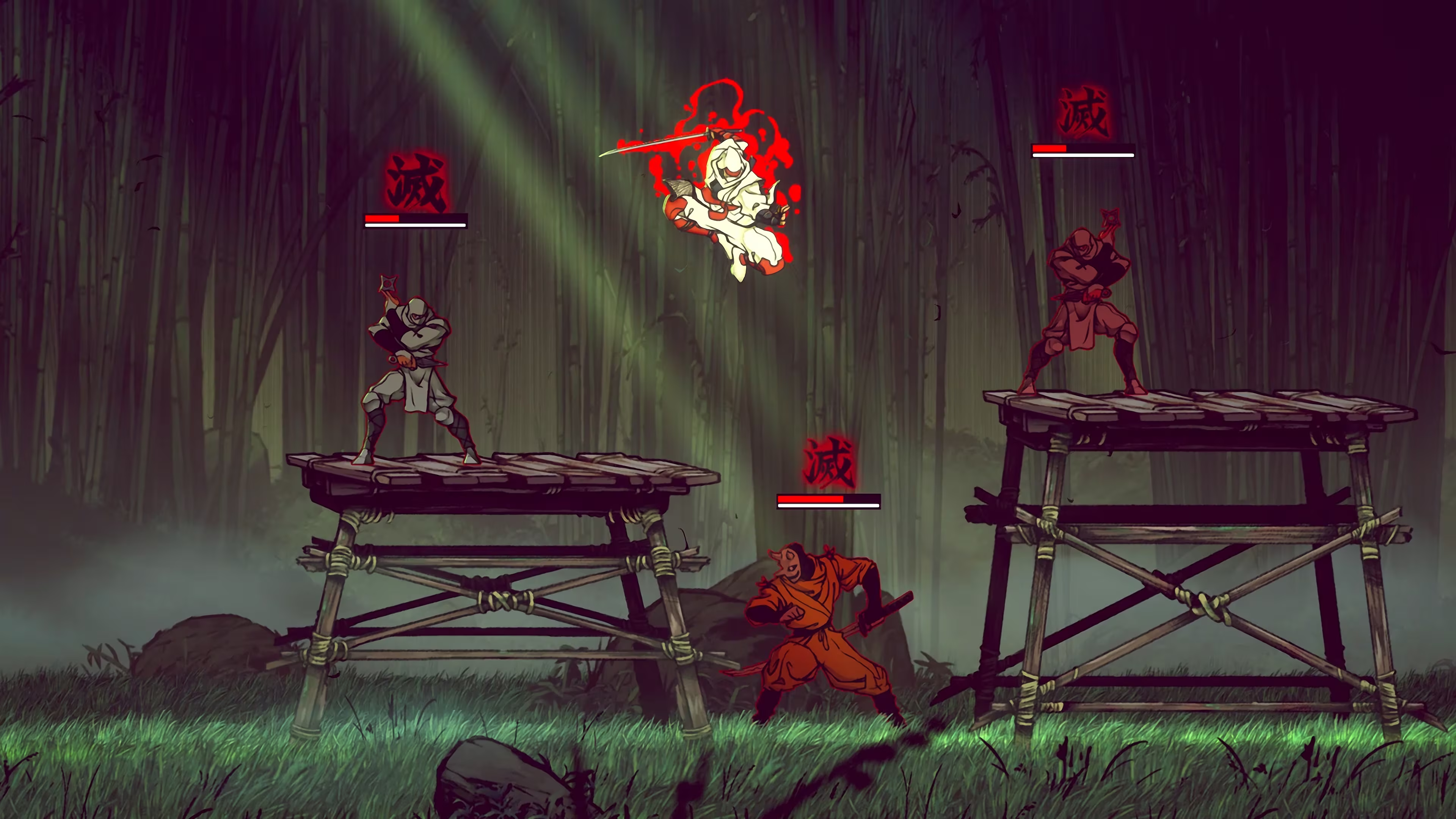
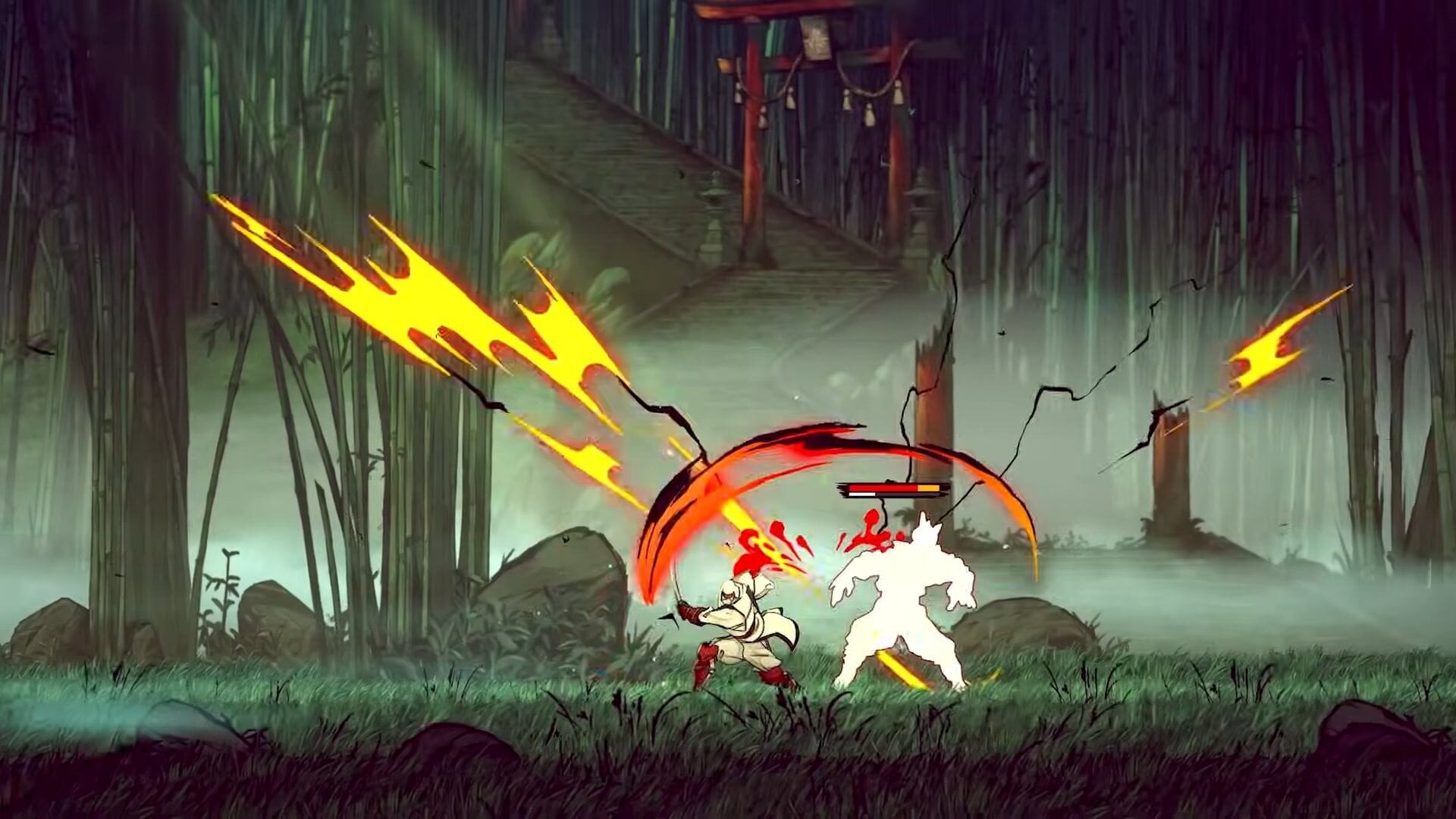
Play centres on ninja combat and precise movement. You fight with a katana and kunai, call on Ninjutsu and Ninpo, chain attacks into combos, and move through stages that mix enemy encounters with platforming obstacles, environmental challenges and hidden paths.
This fan site collects original, fan-written notes on those topics. Read about combat, the ninja arts and tools, levels and exploration, or jump straight to the guides.
2D action
hand-drawn style
ninja arts
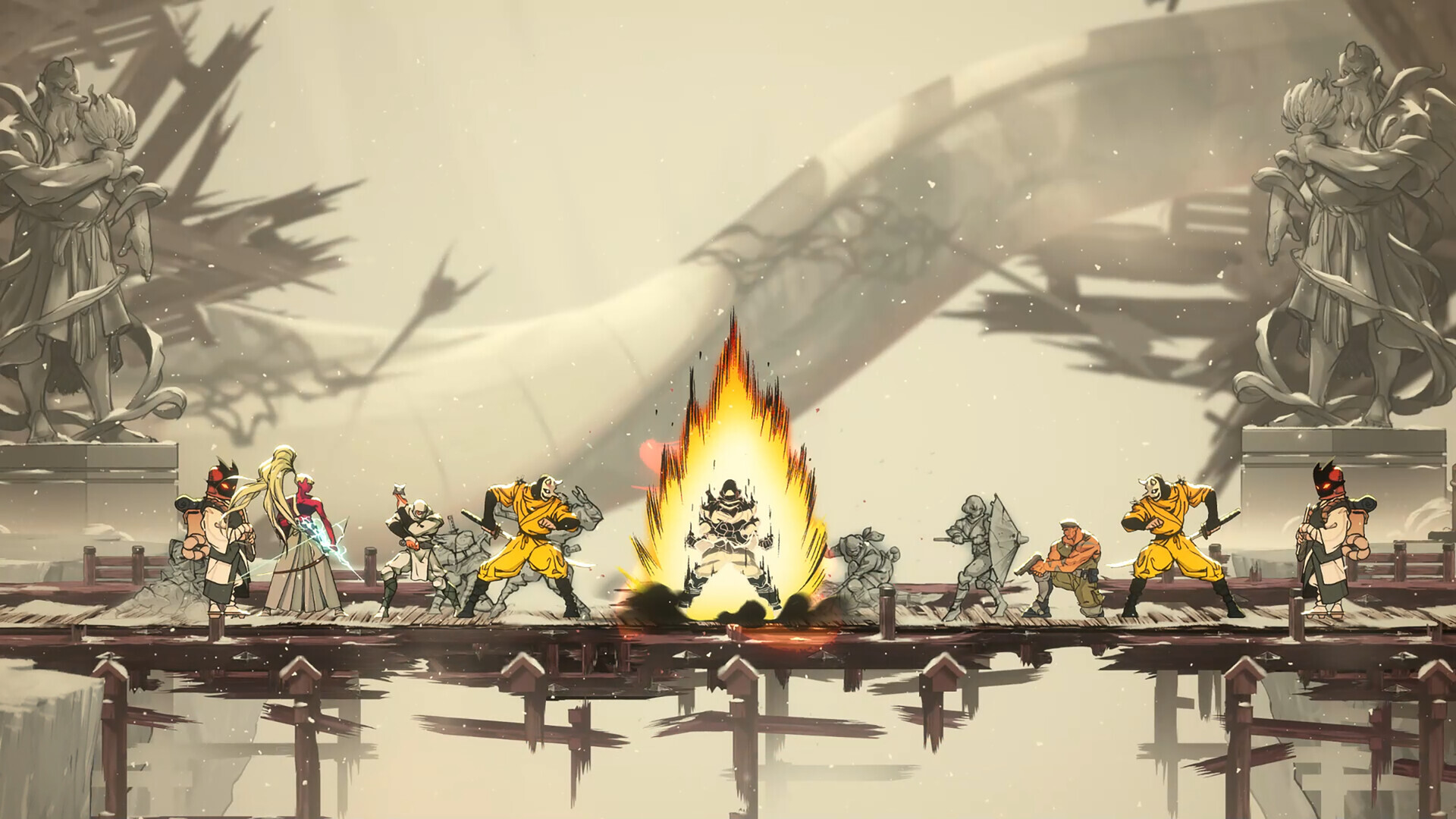
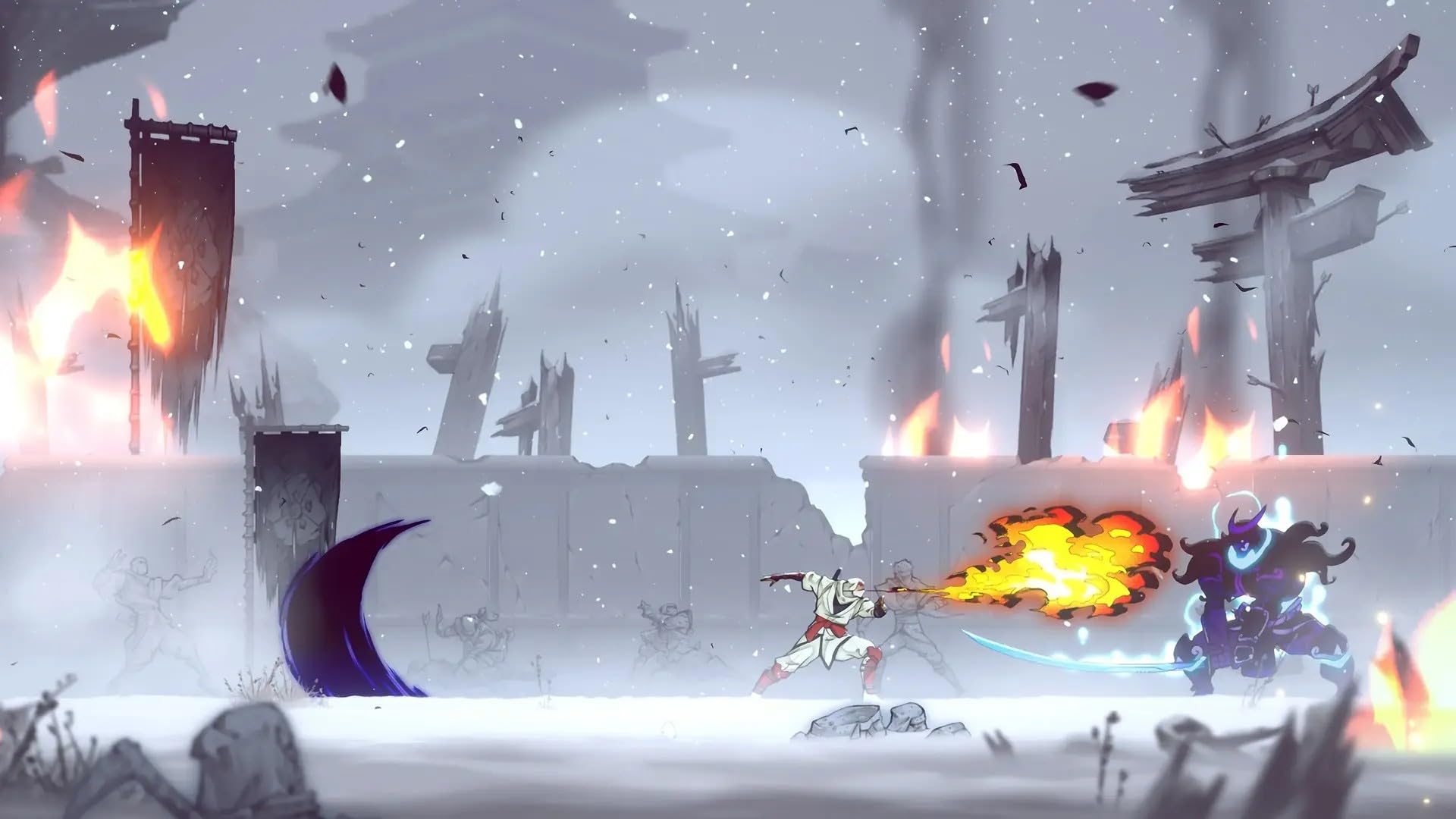
All artwork on this site is illustrative, fan-inspired imagery. It is not taken from the game and is not a screenshot.
You play as Joe Musashi, a master of the ninja arts. The game opens with a personal loss: Joe's village has been burned and his clan has been turned to stone. From there, his journey becomes a quest for vengeance.
This site keeps story coverage to that opening premise. Characters, plot turns and the ending are left for you to discover in the game, and any later page that touches on them will carry a clear spoiler label.
Want the gameplay side instead? Start with combat or the getting started guide.
Story at a glance
Hero: Joe Musashi
Premise: a quest for vengeance after his clan is attacked
Tone: shinobi atmosphere and ninja discipline
Each card opens a section of this fan site. The notes describe how the game's systems work in general terms. They do not list damage values, button inputs or unlock requirements, because this site only publishes details it can confirm.
Combat
Explore combat techniques and fan-created tips: katana strikes, kunai, combos, timing and how to read an encounter.
Learn About CombatNinja Arts
Learn how the Katana Oborozuki, Kunai, Ninjutsu, Ninpo, Amulets and Ningi tools fit into Joe Musashi's arsenal.
Discover Ninja ArtsLevels
Learn about platforming and environmental challenges, hidden routes and how to approach unfamiliar obstacles.
Explore LevelsGuides
Read original beginner guides and practice tips, then filter them by topic in the guide library.
Browse GuidesGet comfortable with running, jumping and recovering before you worry about style. Clean movement makes every other skill easier.
Use katana strikes and kunai against ordinary enemies. Watch how each enemy reacts and keep a safe distance while you learn.
Experiment with Ninjutsu and Ninpo as they become available to you, and notice which situations they help with most.
Stages include platforming challenges and hidden secrets. Look around, test routes, and remember spots that seem out of reach for now.
Once the basics feel natural, work on linking attacks into combos and staying consistent through tougher encounters.
Hand-drawn visual style
The game uses a hand-drawn look for its characters and stages. This fan site uses its own illustrative artwork rather than game screenshots.
Katana & Kunai
Joe Musashi fights with the great Katana Oborozuki up close and uses Kunai as part of his ninja arsenal.
Ninjutsu & Ninpo
Beyond the blade, the ninja arts include Ninjutsu and Ninpo, giving combat a wider set of options than plain strikes.
Amulets & Ningi tools
Amulets enhance abilities, and Ningi tools help you overcome obstacles and open new paths through the stages.
Before attacking, watch what an enemy does. Many encounters become easier once you recognise how an opponent moves and attacks.
Keep enough room to react. Mixing close katana attacks with ranged kunai lets you choose when to engage.
If an approach keeps failing, change it. Try a different tool, a different position, or simply a slower pace.
New to the game? The getting started guide explains what to focus on in your first sessions: movement, basic attacks and a calm approach to exploration.
Read Introduction to Ninja Combat for a plain-language look at how katana, kunai and the ninja arts work together.
The platforming guide covers how to read a tricky section before committing to a jump.
See common beginner mistakes, such as rushing into groups of enemies or ignoring side paths.
SHINOBI: Art of Vengeance Fan Site is an independent fan-created website dedicated to the game. It is not affiliated with, endorsed by, or operated by SEGA, Lizardcube, or Google. The pages are written by fans, for players who want a calm, readable overview of the game's systems and some practical advice.
The site follows a simple rule: if a detail cannot be confirmed, it is not published. You will not find invented damage numbers, made-up level names, secret locations, fake reviews or player statistics here. Guides describe general approaches and practice habits, not guaranteed results.
The Combat page covers katana combat, kunai, combos, Ninjutsu, Ninpo, timing and defensive movement. Ninja Arts explains the tools in Joe Musashi's arsenal, including Amulets and Ningi tools. Levels looks at exploration, platforming and environmental obstacles. Guides brings everything together in a searchable library with beginner guides and tips, and the FAQ answers common questions about the game and this site.
SHINOBI: Art of Vengeance is available for Android devices on Google Play. Get the game only from its official Google Play page, where you can check current availability, device compatibility and pricing, as these can change.
This fan site is not Google Play and does not sell or distribute the game. Be careful with websites that offer APK files or modified versions of the game. This site does not provide downloads, APK files, mods, cheats or unlock tools of any kind.
Fan Site Disclaimer: SHINOBI: Art of Vengeance Fan Site is an independent fan-created website dedicated to the game. It is not affiliated with, endorsed by, or operated by SEGA, Lizardcube, or Google.
The SHINOBI name has a long history. The series began in arcades in 1987, and Joe Musashi has been its best-known hero ever since. SHINOBI: Art of Vengeance brings that hero back in a new 2D action platformer, and it does so with a hand-drawn presentation rather than the pixel art of the early games. For returning fans, that combination of a familiar character and a fresh look is a large part of the appeal. For newcomers, the game offers a self-contained adventure that does not require any knowledge of earlier entries.
The developer, Lizardcube, is described by SEGA as the team behind Streets of Rage 4, another modern return for a classic SEGA series. That background helps explain why so many players talk about the game's combat in particular. The official descriptions emphasise combos, a large ninja arsenal and precise execution, and those themes run through every page of this fan site.
Some action games are mostly about fighting, while some platformers are mostly about jumping. This game asks you to do both, often at the same time. A stage might ask you to clear a group of enemies, then cross a series of tricky ledges, then deal with another threat while you are still finding your footing. Learning to switch smoothly between those two mindsets is one of the most rewarding parts of improving at the game, and it is the reason this site treats movement and combat as equally important topics.
Joe Musashi does not rely on a single weapon. The Katana Oborozuki handles close combat, Kunai give you range, and the ninja arts, Ninjutsu and Ninpo, add options that ordinary strikes cannot provide. Amulets enhance his abilities, and Ningi tools help him overcome obstacles and uncover new paths. Because these pieces work together, players often find that the game feels different after a few hours than it did at the start. The guides on this site are written with that progression in mind: they begin with fundamentals and only then move on to combining tools.
Stages are not simply corridors from left to right. Official descriptions mention challenging platforming puzzles and hidden secrets, and Ningi tools are explicitly linked to uncovering new paths. That gives exploration a sense of purpose: an area you could not reach earlier may become reachable later. This site encourages a curious, patient approach to stages, but it deliberately does not publish secret locations, so the joy of discovery stays with you.
Many players start an action game by rushing forward and pressing every button. That is a natural instinct, but it often makes the first hour more frustrating than it needs to be. The suggestions below describe a calmer way to begin. They are general habits that apply to most 2D action platformers, adapted to the systems this game is known for. They are not official instructions, and you should feel free to ignore any of them if a different approach suits you better.
Before engaging enemies, run, jump and land a few times in a safe place. Pay attention to how far a jump carries you, how much you can steer in the air and how quickly Joe stops after running. These details sound small, but almost every difficult moment later in the game depends on them. Players who learn movement early usually find both platforming and combat easier.
When you meet your first opponents, try to fight them individually rather than in groups. Watch how each one behaves before attacking. Notice whether it rushes towards you, keeps its distance or waits. Then try a few katana strikes and see how it reacts. Use Kunai when walking closer feels unsafe. The goal is not to win quickly but to collect information you can use in later encounters.
When a new ability, ninja art or tool becomes available, try it in a low-pressure situation. It is much easier to understand what something does when you are not also worried about surviving. Players who skip this step sometimes forget about useful options entirely, simply because they never practised them.
If a stage seems to branch, or if a ledge looks interesting but out of reach, make a mental note of it. You do not have to solve every mystery straight away. Remembering these places is what makes revisiting areas worthwhile later on, especially after you have found new Ningi tools.
Every player gets stuck sometimes. If you fail the same section several times in a row, a short break often helps more than another dozen attempts. When you return, change one thing about your approach, such as when you jump or which tool you open with, rather than repeating exactly the same plan.
For a fuller version of this advice, read Getting Started, Understanding Basic Movement and Beginner Mistakes to Avoid.
These short definitions explain the words used throughout this fan site. They describe each term in general language and avoid unconfirmed details such as exact effects, numbers or unlock conditions.
The great katana named in the game's official description. It is Joe Musashi's main close-range weapon and the starting point for most combos.
Throwing knives that form part of Joe's arsenal. On this site, they are discussed as a way to engage enemies at a distance and control the start of a fight.
One branch of the ninja arts available to Joe. This site treats Ninjutsu as a set of situational options rather than listing individual techniques.
Another branch of the ninja arts named in official descriptions. Like Ninjutsu, it adds options beyond ordinary weapon strikes.
Items that Joe acquires to enhance his abilities. Because they shape how he plays, the best choice depends on your own style and situation.
Tools discovered during play that help Joe overcome obstacles and uncover new paths. They connect his abilities directly to exploration.
A sequence of attacks linked together. Combos are central to the game's combat, and this site recommends building them gradually through practice.
A game viewed from the side in which you both fight enemies and navigate jumps, ledges and obstacles. Movement and combat are equally important.
This website is organised so that you can read it in order or jump straight to the topic you need. If you are completely new to the game, a sensible path is to start with the game overview on this page, continue to Combat for the fundamentals of fighting, then read Ninja Arts to understand the wider toolkit. After that, Levels & Exploration explains how to approach stages, and the Guides library gives practical advice you can apply straight away.
If you already have some experience, the guide library is probably the most useful place to begin. You can search by keyword, filter by category and sort the list, so it is quick to find advice about a specific topic such as combos, platforming or the ninja arts. Each guide card links to a full article further down the same page.
Being clear about limits is part of being trustworthy. This site does not publish damage numbers, frame data, button inputs, boss strategies, level names, secret locations, item lists, upgrade costs or unlock conditions, because those details have not been confirmed by the site. It also does not offer downloads, APK files, mods, cheats, codes or generators of any kind, and it never sells anything. If you see a website that promises those things for this game, treat it with caution.
Story coverage on this site is limited to the opening premise described in official materials: Joe Musashi's village is burned, his clan is turned to stone, and he sets out for vengeance. Anything beyond that would be clearly labelled as a spoiler before it appears. Guides focus on gameplay habits rather than plot, so you can read them without worrying about surprises.
Game content and features may vary by version, and fans notice details that any single writer can miss. If you spot a mistake, or if there is a topic you would like covered, use the suggestion form below or the contact page. Corrections are especially welcome when they include the page name and a short description of what your game shows.
No. This is an independent fan-created website and is not affiliated with or endorsed by SEGA, Lizardcube, or Google.
SHINOBI: Art of Vengeance was developed by Lizardcube and published by SEGA.
No. The site offers no downloads, APK files, mods, cheats, generators or unlock tools. It is an information and guide resource only.
No. For account, purchase or technical issues, use the support channels provided by the game's publisher or by Google Play. See the full FAQ for more.
This form contacts the independent fan site, not the game developer. Pressing the button opens an email draft to [email protected] in your email app; the suggestion is sent only when you send that draft. Please do not enter passwords or account details.
Your email app should open a draft addressed to the fan site. The suggestion is sent only if you send that draft. A copy is shown below.